

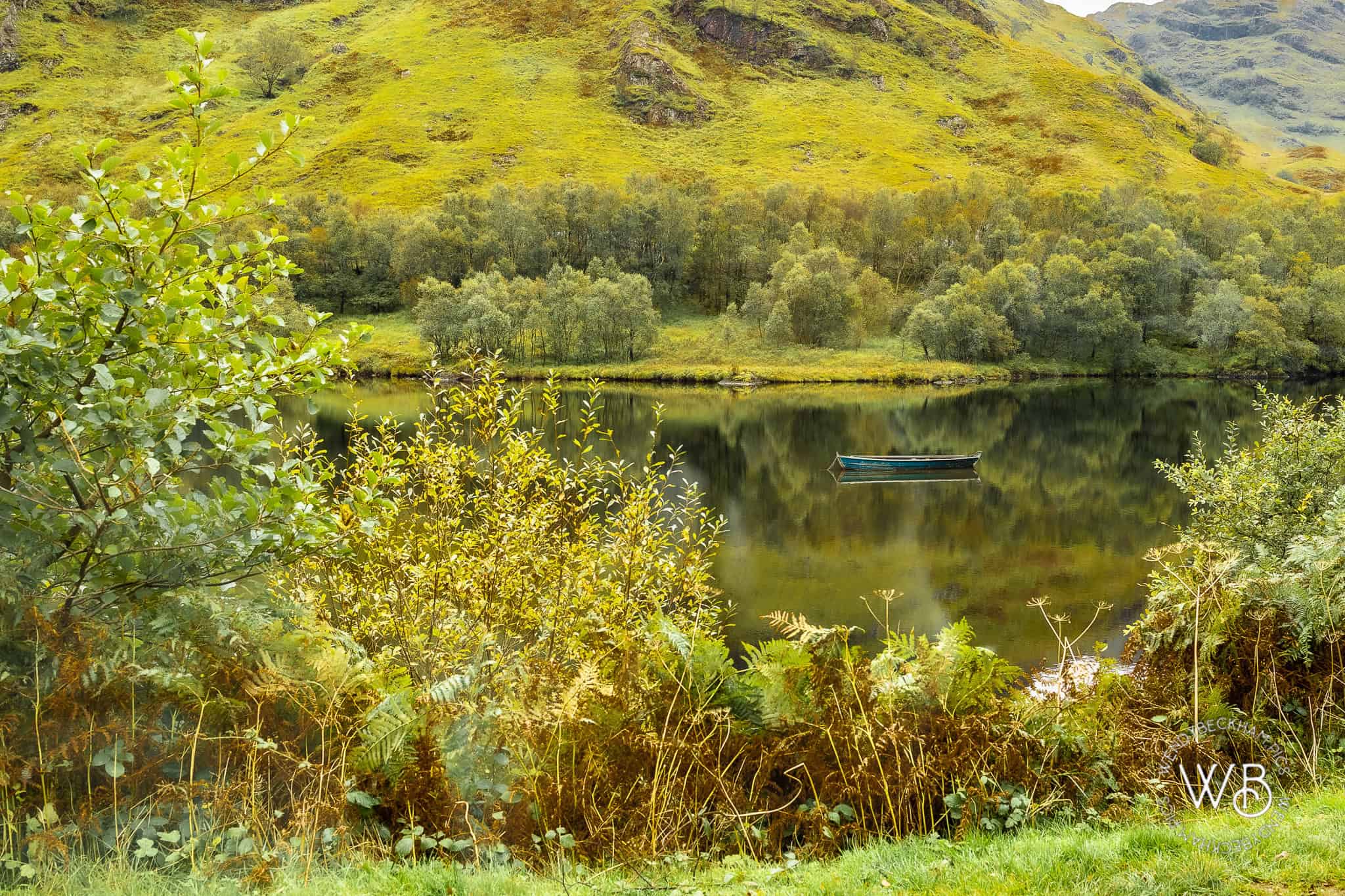
Myth 1: Editing is Cheating One of the most common misconceptions about photo editing is that it’s somehow dishonest or deceptive. In reality, editing is a fundamental part of the photographic process. It’s akin to a painter refining their canvas or a musician tuning their instrument. Editing allows photographers to enhance the image’s composition, color, and overall aesthetic, bringing their vision to life.
Myth 2: Editing is Excessive Another myth is that photographers go overboard with editing, creating unrealistic or distorted images. While there are certainly instances of excessive editing, most professionals strive for a natural and balanced look. Their goal is to enhance the image’s qualities, not to drastically alter reality.
Why Photographers Edit Photos
• Correcting Imperfections: Even the most skilled photographers can capture images with minor imperfections, such as lens flare, noise, or unwanted objects. Editing allows them to correct these issues and create a cleaner, more polished image.
• Enhancing Composition: Photographers can use editing tools to adjust elements like perspective, cropping, and color balance to improve the overall composition of an image.
• Creating a Desired Mood or Atmosphere: Editing can be used to create a specific mood or atmosphere, whether it’s a dreamy, ethereal look or a dramatic, high-contrast style.
• Matching Clients’ Preferences: In many cases, photographers work closely with clients to understand their specific preferences and expectations. Editing can be used to tailor the image to meet those requirements.
What are RAW Files and Why Don’t We Hand Them Over?
RAW files are unprocessed digital images captured directly from the camera’s sensor. They contain a vast amount of data and offer greater flexibility for editing compared to JPEG files, which are compressed and processed in-camera.
While RAW files offer significant advantages, there are several reasons why photographers typically don’t hand them over to clients:
• Intellectual Property: RAW files are considered the photographer’s intellectual property. They contain their unique artistic vision and editing decisions.
• Technical Knowledge: Editing RAW files requires specialized software and technical knowledge. Clients may not have the necessary tools or expertise to achieve the desired results.
• Consistency: When working with multiple photographers or a team, handing over RAW files can lead to inconsistencies in the final images due to different editing styles and preferences.
• Workflow Efficiency: Managing and delivering RAW files to multiple clients can be time-consuming and inefficient.
In conclusion, photo editing is a valuable tool that allows photographers to create stunning and impactful images. By understanding the reasons behind editing and the nature of RAW files, clients can appreciate the artistry and technical expertise involved in the photographic process.
The Limitations of Applied Filters
While applied filters can offer quick and easy ways to alter the appearance of an image, they often fall short in achieving a truly personalized and artistic vision. Here’s why:
• One-Size-Fits-All Approach: Applied filters are designed to be generic and adaptable to a wide range of images. This can result in a lack of nuance and customization, making the image appear overly processed or artificial.
• Limited Control: Filters often offer limited control over specific aspects of the image, such as exposure, contrast, color balance, and selective adjustments. This can hinder a photographer’s ability to achieve precise and intentional results.
• Loss of Quality: Applying filters can sometimes lead to a loss of image quality, especially when used excessively or with low-quality filters. This can result in a grainy or pixelated appearance.
• Lack of Uniqueness: The widespread availability of filters can make images look generic and similar to countless others that have been edited using the same presets. This can make it difficult for photographers to stand out and create truly unique and memorable work.
In contrast, professional photographers use a combination of technical skills, artistic vision, and careful editing techniques to create images that are both visually appealing and emotionally impactful. By understanding the limitations of applied filters and the benefits of skilled editing, clients can appreciate the value of working with a professional photographer who can deliver truly exceptional results.
and Photographer Vision
In the world of photography, authenticity is a highly sought-after quality. It’s the ability to capture the essence of a subject or scene in a way that is both genuine and visually compelling. For photographers, striking a balance between their own artistic vision and their clients’ desires can be a delicate task.
Understanding the Client’s Vision
• Active Listening: Pay close attention to what your clients communicate about their goals and expectations. Ask open-ended questions to gain a deeper understanding of their vision.
• Visual References: Encourage clients to share examples of images they admire. This can provide valuable insights into their aesthetic preferences.
• Open Communication: Maintain open and honest communication throughout the process. Be transparent about your capabilities and limitations, and be willing to discuss potential challenges or compromises.